Booksالكتب
Books
Monographs and edited volumes, listed by year of publication.
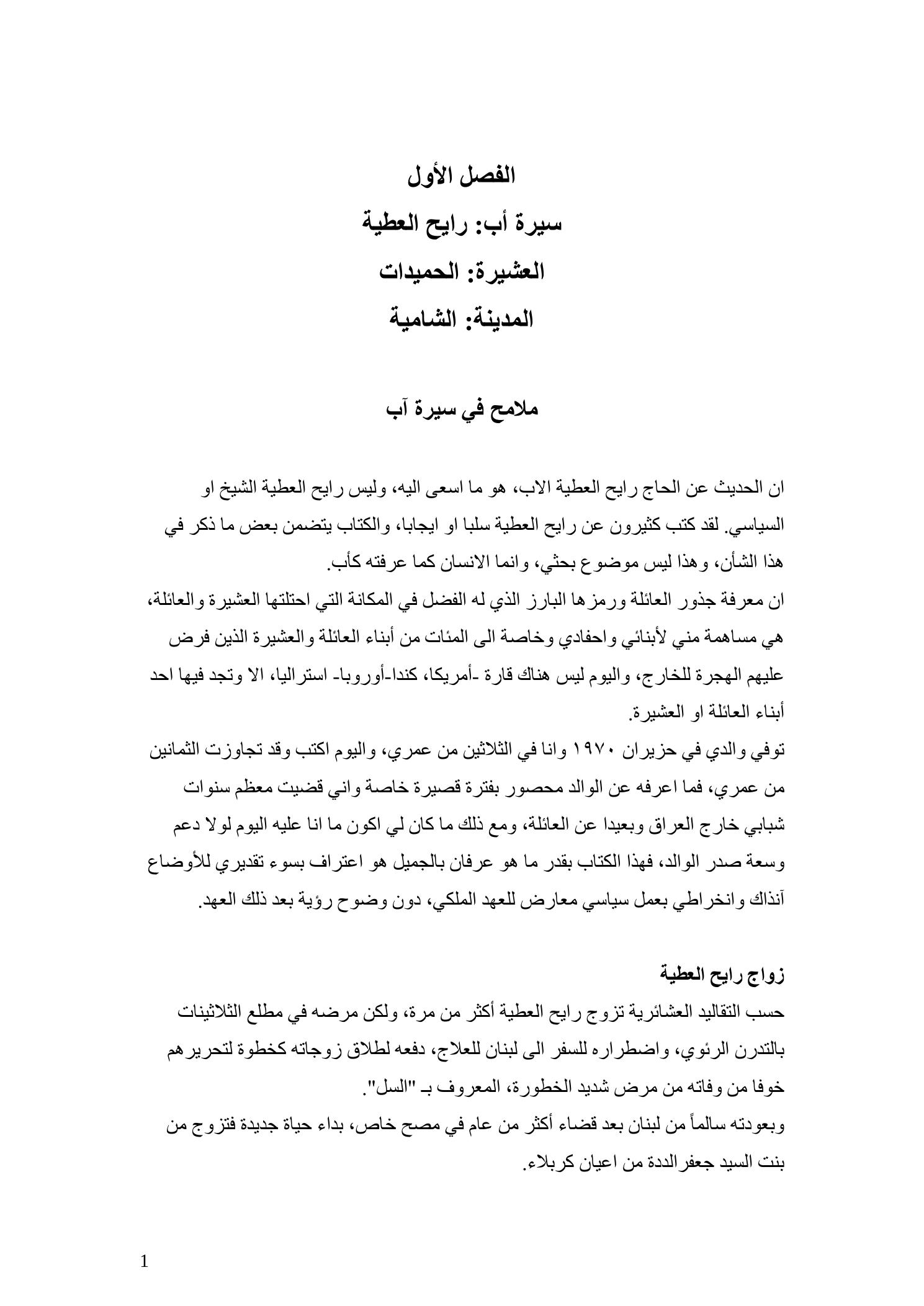
First page of Chapter One 2026
A Father’s Biography
Arabic
Chapter One. Ghassan Atiyyah’s personal account of his father, Rayeh Atiyyah, tracing his family roots, public life, and legacy through intimate memories and historical documents.

2026
Iraq: One Hundred Years of Failure — Ghassan Atiyyah's Political Life
Independently published · English · 296 pages · ISBN 979-8198574243
A powerful and deeply personal reflection on the political history of Iraq. Blending memoir, historical documentation and political analysis, it traces a century marked by coups, dictatorship, foreign intervention, sectarian conflict and missed opportunities for democracy — from the monarchy and the Ba'ath era to the American occupation and the struggles of modern Iraq, alongside memories of exile, political persecution and intellectual resistance.
2025
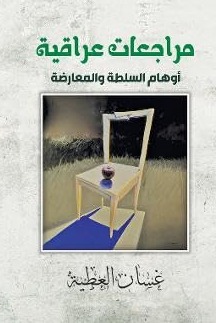
Iraqi Reviews: The Illusions of Power and Opposition
London Printing and Publishing · Arabic · 572 pages · ISBN 978-1835340296
A late reckoning with the promises and failures of post-2003 Iraq, examining the illusions held by both those in power and their opponents, and what a genuinely reformist national project would require.

2022
Political Testimony: Views and Positions on the Iraqi Question
London Printing and Publishing · Arabic · 602 pages · ISBN 978-1912410613
A collection of Ghassan Atiyyah's political testimony: articles, interventions and positions on the Iraqi question, gathering decades of commentary on governance, sectarian politics, constitutional reform and the search for a democratic Iraqi state.

2022
Governance and Opposition: From the Occupation of Kuwait to the Occupation of Iraq, 1991–2005 (two volumes)
London Printing and Publishing · Arabic · 520 pages · ISBN 978-1912410576
A two-volume study of Iraqi politics between the 1991 Gulf war and the aftermath of the 2003 invasion, tracing the relationship between the Baathist state and the exiled opposition that Atiyyah helped organise, and the political order that followed.
- 22
2022
Mudakhalat: Ghassan Atiyyah on Iraq
Compiled by Sabah Nouri al-Ta'i · Arabic
A serialised set of interventions and talks — "Iraq in a Century" — in which Dr. Atiyyah traces modern Iraqi history from the 1908 Ottoman constitution and the British administration through the reign of Faisal I and the long record of the Iraqi opposition. Compiled in 2022 and available here in full.
1968
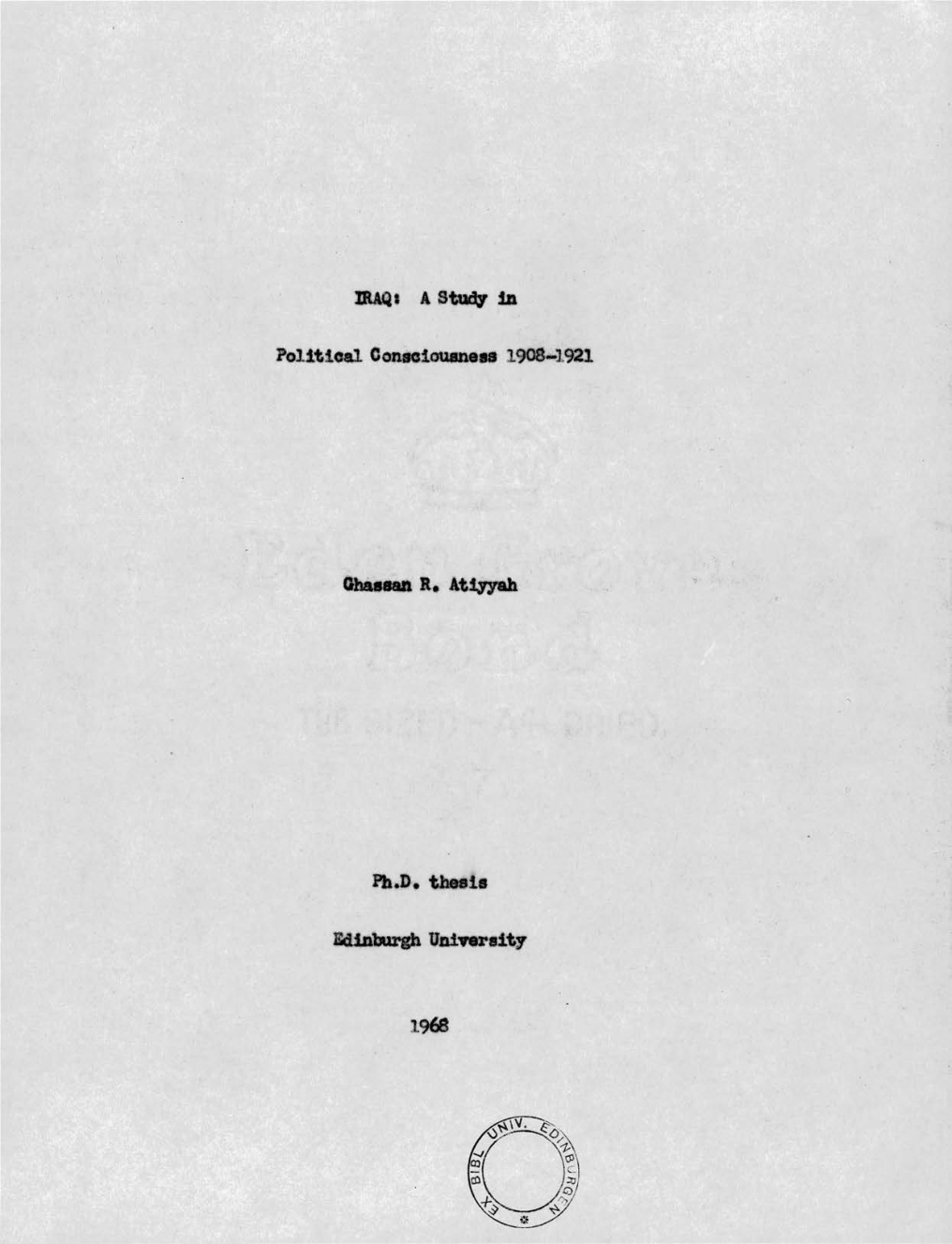
Ghassan Atiyyah's 1968 PhD thesis
University of Edinburgh · English
IRAQ: A Study in Political Consciousness 1908–1921. Ghassan Atiyyah’s PhD thesis, submitted to the University of Edinburgh in 1968, examines the development of political consciousness in Iraq, Ottoman constitutional reform, British policy and occupation, the independence movement, the 1920 uprising, and the creation of the Iraqi state.
Collection
The Iraqi File
From 1991 through 2002, Dr. Atiyyah published a monthly newsletter called "The Iraqi File," covering Iraq's political and economic developments. He started each newsletter with an editorial that became a reference for insights of the period. These editorials can be found below.
- December 1990The democracy of the nationalist current in Iraq?
- February 1991An open letter to the Iraqi opposition
- February 1991Saudi Arabia and the Iraqi opposition
- March 1991The Iraqi opposition
- March 1991The Iraqi opposition (continued)
- April 1991The Iraqi national impasse: is there a way out?
- May 1991Iraqi national reconciliation
- July 1991Iraqi citizenship
- October 1991Iraq and the sorrowful fate: between dictatorship and subordination
- December 1991The crisis of government and opposition in Iraq
- December 1991Arab regimes with a democratic orientation
- January 1992On the margins of the elections in Algeria
- February 1992Free elections under international supervision are required
- March 1992On the Iraqi file
- March 1992The Islamic current in Iraq: tasks and pressures
- May 1992American policy towards Iraq
- June 1992The Kurds and the national option
- July 1992The Vienna conference of the Iraqi opposition
- July 1992The Vienna conference of the Iraqi opposition: between the field's harvest and the threshing floor's reckoning
- August 1992Iraq and American policy two years after the occupation of Kuwait
- September 1992The Iraqi people are not a testing ground
- January 1993Notes on American policy toward Iraq
- March 1993The regime and the Iraqi opposition compete for the favour of the American administration
- May 1993An alliance of opposites: Iraq and Iran between yesterday and today
- May 1993An alliance of opposites: Iraq and Iran as the basis of a new regional order
- July 1993The slogan of the economic blockade on Iraq: a political paper or a national task?
- August 1993The ruling leadership's responsibility in entrenching the division of Iraqis
- September 1993On the margins of the political asylum sought by some Iraqi ambassadors
- October 1993The experience of ideological parties in Iraq
- November 1993The game of shifting sands is no substitute for international legitimacy
- December 1993The end of the economic embargo on Iraq — possibilities and consequences
- January 1994The independent Iraqi democratic current and the crisis of the Iraqi opposition
- February 1994When thinking the impossible becomes the only way out
- March 1994A prosperous democratic Iraq is the guarantee of an independent democratic Kuwait
- June 1994The way out for Iraqi Kurdistan: an Iraqi solution and elections under UN supervision
- June 1994Have the Iraqis failed to find a solution to their own problems?
- July 1994What is new and what is missing in Saddam Hussein's speech
- July 1994Draft declaration of principles on the experience of political work in Kurdistan and the Iraqi opposition
- September 1994And kin can be the crueller oppressors
- October 1994Iraqi foreign policy and the struggle between centres of power
- November 1994Iraqi military escalation
- December 1994Iraq's recognition of Kuwait and the American reaction
- March 1995The leadership of Muhammad Baqir al-Hakim and the lessons not learned
- May 1995Security Council resolution 986: a victory for American diplomacy
- July 1995I see Iraq's night as long!!
- August 1995A temporary prescription is no lasting cure
- September 1995Dimensions of the Jordanian turn against Saddam Hussein
- October 1995The mistaken political reading of events
- November 1995An Iraqi vision of a Syrian role in saving Iraq
- January 1996A new Fertile Crescent: a regional order capable of solving the Iraqi dilemma
- 1996Dr. Ghassan Atiyyah's intervention in the discussions of the Arab-Iranian relations seminar
- February 1996Iraq will remain suspended pending the outcome of the Syrian–Israeli negotiating track
- February 1996On the margins of the Amman seminar and the Iraqis' meeting with the Jordanian monarch
- April 1996The conference of Iraqi opposition leaders in Damascus
- May 1996The game of axes within the Iraqi opposition
- July 1996The Cairo summit: a turn in the Arab political approach
- August 1996The Arab nationalist project in Iraq aborted the building of the nation state
- September 1996Waiting in Iraq is an invitation to suicide
- October 1996How Masoud Barzani became the leading player in deciding Kurdistan's future
- November 1996Back to square one in the Kurdish chess game
- December 1996In light of the implementation of the oil-for-food resolution
- February 1997Understanding Baghdad's approach to the prohibited weapons file
- April 1997The scenario of conditional rehabilitation for Iraq as an alternative to containment or overthrow
- May 1997The history of a nation in the life of one man
- June 1997The Turkish incursion
- July 1997The Iraqi-Syrian rapprochement
- August 1997Iraq, the sick man
- September 1997The election of Mohammad Khatami to the presidency of the Islamic Republic of Iran
- October 1997American containment policy: the survival of dictatorship and the blockade
- November 1997The expulsion of the American members of the inspection teams
- December 1997Back to square one — awaiting the unknown
- February 1998Saddam Hussein defies… and Washington threatens to strike
- May 1998For America to pay a heavy price, Saddam Hussein must be ready to pay a similar one
- July 1998Repercussions of the revelation that Iraq used nerve gas
- August 1998Breaking the blockade or breaking the regime?
- October 1998The Washington agreement for Kurdish reconciliation
- November 1998The Iraqi national impasse
- December 1998Baghdad's miscalculations
- May 1999American policy towards Iraq
- July 1999Another chance — may it not be wasted
- January 2000The Security Council decision to suspend sanctions: a step toward neutralising the suffering of the Iraqi people
- February 2000Nothing lasts forever
- April 2000The dissonance of the Iraqi condition
- May 2000Will the suffering of the Iraqis become like the suffering of the Palestinians?
- July 2000The American presidential elections
- August 2000When the Iraqis' choice becomes a loaf of bread or the loss of freedom and dignity
- September 2000The October surprise
- October 2000The political report of the Iraqi democratic centre current
- November 2000After eight years, does the failure of containment as American policy toward Iraq open the road?
- December 2000The Palestinian intifada
- April 2001The Bahraini lesson as a model for the transition to constitutional legitimacy
- May 2001The third basket in the American review of its policy towards Iraq
- June 2001Security Council deliberations on reviewing the sanctions against Iraq
- July 2001Repercussions of the failure of the smart sanctions project
- August 2001On the margins of Saddam Hussein's call for dialogue with the Kurds
- October 2001The American-Iraqi confrontation
- 2001Index of The Iraqi File editorials
- January 2002Saudi Arabia loses its Iraqi compass
- January 2002The Turkish obstacle to democratic change in Iraq
- February 2002When a policy of preserving the status quo produces its opposite
- April 2002In light of the possibility of America toppling the Iraqi regime
- May 2002Post-Saddam Iraq: the theme of an expanded conference of the Iraqi opposition
- May 2002The Iraqi opposition, the struggle between American factions, and the need for a regional role
- May 2002American flexibility in adopting Security Council resolution 1409 — paid for with rigidity in an expected resolution
- 2002A poll indicates that Iraqis would support a US-led war
- July 2002The Iraqi opposition, the struggle between American factions, and the need for a regional role
- August 2002The repercussions of the meeting between six opposition leaders and American officials
- August 2002Washington's invitation to six Iraqi opposition leaders: a turn onto the right road
- September 2002On the margins of the meetings of the Iraqi committee of experts
- September 2002How did the Kurdish leaderships become the basis for the opposition's unity?
- September 2002The United Nations battle: a draw on points, awaiting the knockout blow
- November 2002Statement issued by the Iraqi Islamic Party
- November 2002Al-Hayat visits Iraqi Kurdistan — the memory of a leader and a people
- December 2002The axis of evil and the Great Satan reach common ground
- December 2002Saddam's apology in reverse
- December 2002Masoud Barzani: the man of agreement in a time of disagreement
- December 2002Behind the scenes of the opposition conference in London... and after
- December 2002Joseph Biden and Chuck Hagel, two prominent members of the US Senate
- December 2002From the British press
- December 2002Saddam Hussein's remarks at the fifty-sixth session of the Council of Ministers
- December 2002Statement issued by the Coalition of Iraqi National Forces - Britain
- December 2002Efforts to expand the follow-up committee to one hundred and one, and Saudi Arabia's boycott over the term 'democratic Iraq'
- December 2002Seven pieces of advice from the Dawa Party to the participants in the London conference
- December 2002Expanding the Iraqi opposition follow-up committee after the conference
- December 2002Without an Israeli flag in Baghdad: Israeli participation in the war on Iraq could cost Washington its standing
- December 2002Zalmay Khalilzad to the conference: America and the Iraqis have common goals
- December 2002Zalmay Khalilzad: an American hawk from Mazar-i-Sharif
- December 2002Laith Kubba speaks to Al-Sharq Al-Awsat
- December 2002The Iraqi opposition conference in London
- December 2002Iraq's monopoly on the phenomenon of external opposition
- December 2002Although the Iraqi army stands no chance against American power
- December 2002America plans to seize the main oil fields in northern Iraq with helicopter-borne light units
- December 2002So that we are not drawn into the war of aggression
- December 2002An American study on the problems of Iraq's oil industry after Saddam, and a British study on political change
- December 2002The London conference settles for the possible... and moves on to Kurdistan
- December 2002The Iraqi opposition conference: its merits and its shortcomings
- December 2002The results of the latest Iraqi opposition conference and its prospects
- December 2002The head of the Supreme Council delegation to the London opposition conference: despite the pressures, we succeeded
- December 2002The Iraqi opposition conference and the hard test of self-determination
- December 2002Text of a working paper submitted by Uday Saddam Hussein
- December 2002The repercussions of a unified American position
- December 2002Private villas specially prepared in Tripoli
- December 2002War will not happen if Iraq's leadership decides to step aside, defeating the agenda of those calling for invasion
- December 2002Its greatest achievement lay in convening and in its results, but what comes next?
- December 2002Saddamist whims
- December 2002Cutting through all the rumours
- January 2003It is a matter of liberating the Iraqi people, not merely removing weapons of mass destruction